Are higher electricity costs due to utility pricing?
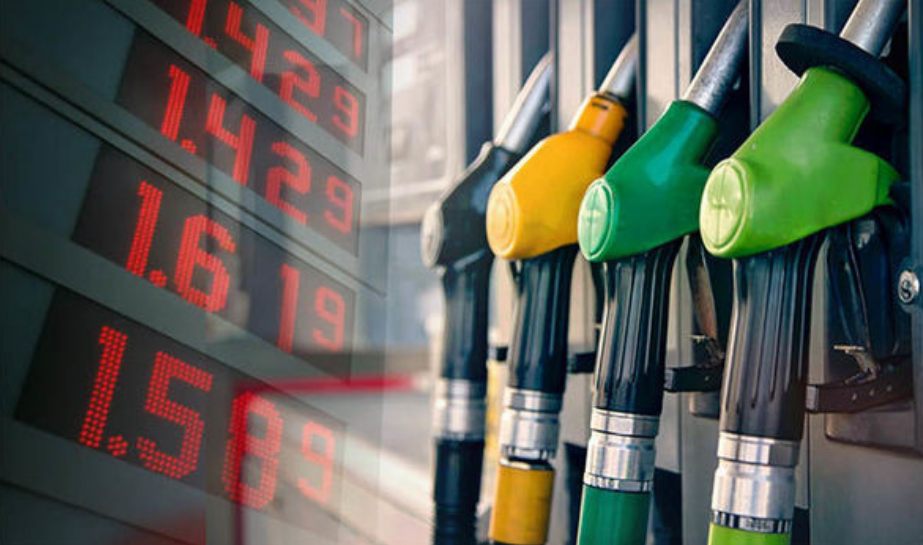
These developments are not the result of changes to local electricity base rates or utility pricing decisions. The increase relates specifically to the fuel factor rate, which moves in line with international fuel prices. When global fuel prices rise, the fuel factor increases. When global fuel prices decline, the fuel factor also decreases.
This pricing mechanism is used in many countries and ensures that fuel costs are passed through accurately, without markup, based on actual fuel prices. To learn more about the fuel factor rate and the electric rate (base rate) and how your bill is calculated, click here.
What factors influence the cost of fuel in TCI?
Fuel used to generate electricity is purchased from a local supplier that imports fuel from the United States. Each step in the supply chain contributes to the final cost of fuel, including:
- Refinery costs
- Bulk shipping to the Bahamas (due to the absence of a deep‑water harbor in Providenciales, which prevents larger vessels from coming directly to the TCI)
- Transshipment on smaller barges to the Turks and Caicos Islands
- Trucking from South Dock to our power plants
- Shipment and delivery to the Sister Islands
- Government taxes and fees
Because fuel must be purchased in advance to maintain a stable and reliable electricity supply, there is typically a delay of several weeks before changes in world fuel prices are reflected on customer electricity bills. Learn more about the fuel supply chain.
Is our fuel supply affected by global market shortages?
Our fuel supply remains stable. We maintain high inventory levels to ensure a reliable electricity supply and to protect against supply chain shocks or disruptions.
Fuel is purchased several months in advance from our fuel supplier, which sources it from the United States. There are currently no disruptions to our fuel supply chain in this market. While conflict in the Middle East has affected other supply chains and global fuel prices, our fuel supply remains stable.
How is the fuel factor rate verified?
Pelican Energy TCI is a regulated electricity company. Each month:
- The fuel factor rate is calculated according to the Electricity Ordinance.
- Supporting fuel invoices and documents are submitted to the TCI Government Energy and Utilities Commissioner’s (EUC) Office
- The EUC’s Office independently reviews and authenticates the rate before bills are issued each month
- Pelican Energy TCI does not add a markup to the fuel factor rate.
What is Pelican Energy TCI doing to lower energy costs over time?
Pelican Energy TCI is committed to diversifying how energy is produced and reducing long‑term exposure to global fuel price shocks through:
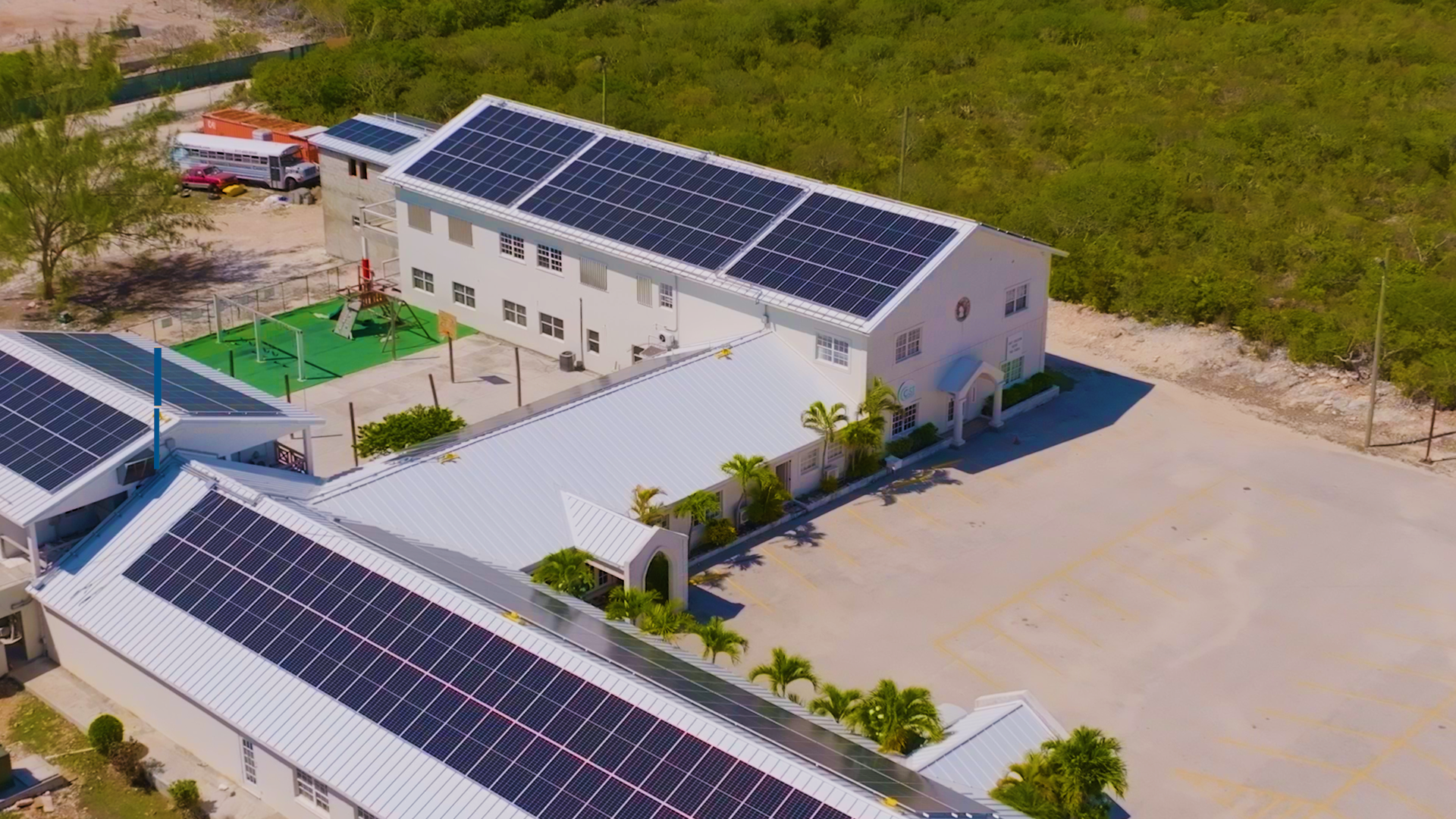
- Expanding renewable energy and solar integration through customer partnerships and rooftop projects
- Deploying battery energy storage technology
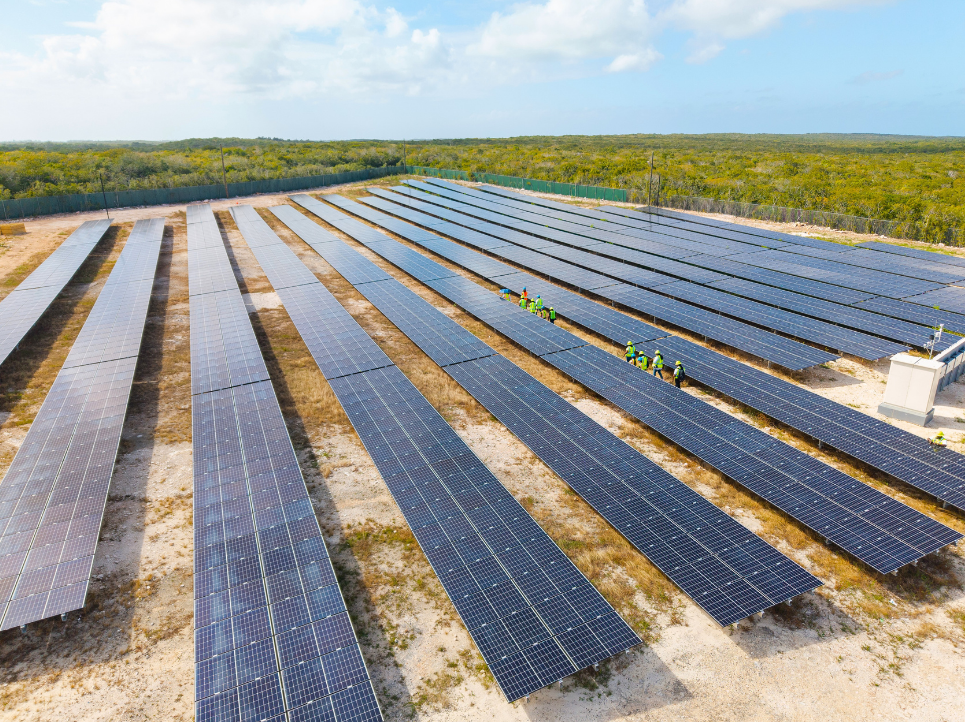
- Constructing utility-scale solar‑powered microgrids
- Investing in efficiency initiatives and system upgrades
These projects help lower carbon emissions and, over time, reduce dependence on fossil fuels while maintaining reliability. Supportive utility-sector regulations and legislation will help to accelerate energy transition.
Can Pelican Energy TCI hedge fuel prices to protect against increases?
Hedging involves locking in a fuel price for a specific period. Some utilities use fuel hedging to manage price changes. However, hedging does not always guarantee the lowest possible fuel costs and can carry its own risks.
Under a modernized regulatory framework, Pelican Energy TCI could explore hedging as one of several potential tools to manage future fuel price changes, assess its risks and benefits, and determine whether it would be in customers' best interests.
When global fuel prices are already high, as they are now, hedging could mean securing fuel at higher‑than‑usual prices, which may not benefit customers. While hedging can provide price certainty for a limited time, it does not eliminate market risk or guarantee cost savings.
Beyond hedging, Pelican Energy TCI explores other opportunities to secure fuel at competitive prices.